How to Negotiate With a New Home Builder (Incentives, Credits and Upgrades)

Yes, you can negotiate with a new home builder — but almost never on the sticker price. Builder sales offices guard their published base prices because every other sale in that community has to appraise against them. What builders will move on is structure: how the deal is financed, what gets credited at closing, what goes into the house, and which house you buy. Knowing which lever to pull is the difference between a real concession and a “free” upgrade you already paid for.
Here is how Amanda Brown walks buyers through a builder negotiation across the Fort Hood area.
Why the Posted Price Is Not the Opening Offer
When a builder discounts the base price of a floor plan, they create a problem for themselves: the next buyer wants the same discount, the appraiser has a lower number to support, and every neighbor who already closed sees their value drop. So most builders protect the price and move the money sideways instead — into financing, closing costs, or the design center.
That is also why the contract matters more than the price sheet. In Central Texas the sales counselor is almost always handing you the builder’s own attorney-drafted form, not the TREC resale contract: no option period, no unconditional right to walk away. And Texas does not license home builders — the state registration agency was abolished in 2009 — so there is no licence to look up. Reputation and the written warranty carry the weight.
The Three Levers That Actually Move
1. Financing: rate buydowns and closing-cost credits
This is where most of the real value sits right now, and it comes in three flavours.
- Temporary buydown (often a “2-1”). The builder funds a lower rate in year one, a smaller reduction in year two, then the loan settles at the full rate in year three. Good if your payment is tight early and you expect to refinance or sell within a few years.
- Permanent buydown. The builder pays discount points so the rate stays lower for the life of the loan. This one rewards people who plan to stay put.
- Closing-cost credit. Builder money applied to your actual closing costs, best when your cash reserves are the constraint.
The catch is that incentives are usually tied to the builder’s preferred lender, and that lender is not automatically the cheapest — a strong headline rate can hide origination fees and points. Ask both lenders for a written Loan Estimate on the same day, then compare the whole picture: rate, points, origination, and every fee.
2. Design center: upgrades and allowances
Upgrades carry some of the builder’s best margin, which is why a design-center credit is easier to get than a price cut — and why it can be worth less than it looks. The credit spends at builder retail.
Split upgrades into two piles. Structural changes are worth paying for during the build because they are expensive or impossible later: extending the garage, adding a bedroom or bathroom, moving a wall. Cosmetic items are usually cheaper after closing and can be done on your own schedule: blinds, gutters, fencing, sod and landscaping, light fixtures. Ask which items must be builder-installed to keep the warranty intact, and which you are free to handle later.
Always ask for the written specification sheet. Model homes are loaded with upgrades that are not included in the base price, and touring one teaches you the wrong lesson about what you are buying.
3. Lot premiums and inventory homes
Builders charge a premium for the lots that sell themselves: greenbelt backing, cul-de-sac position, an oversized lot. Ask whether that premium is fixed or negotiable, and ask what is planned for the open land behind you — a future commercial pad or another phase changes the street.
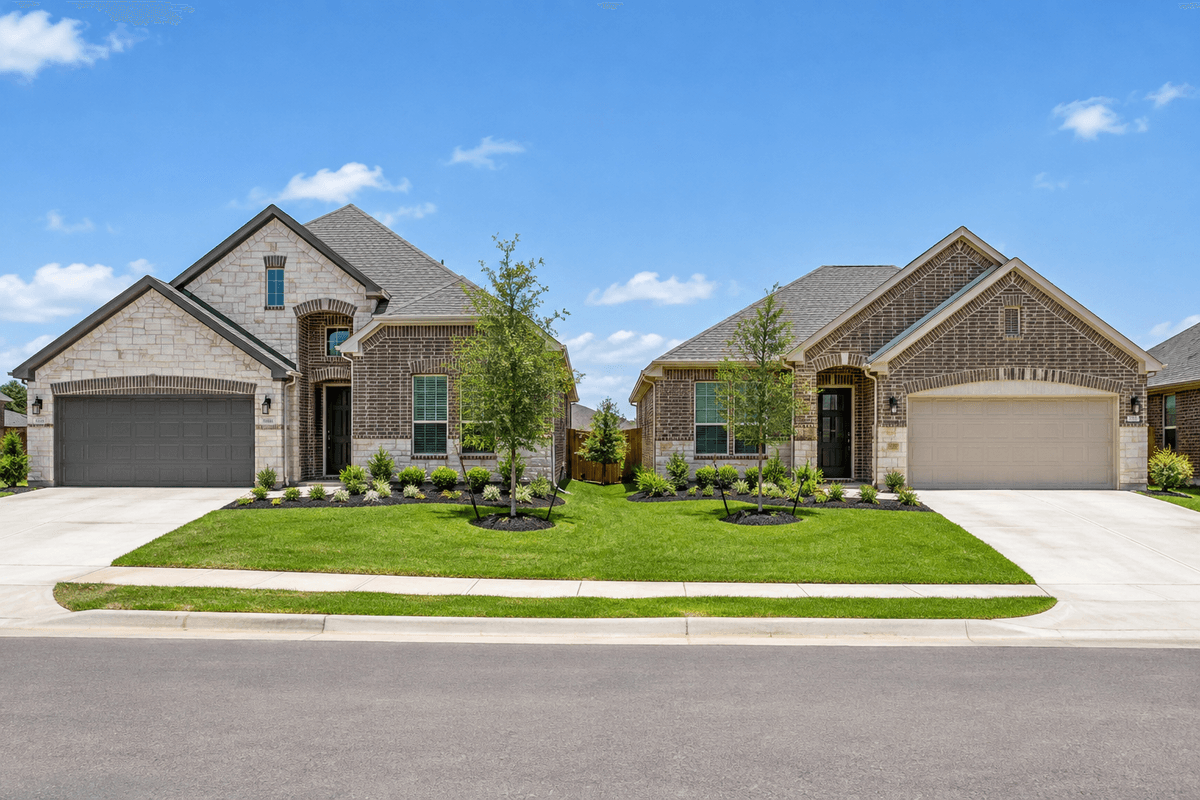
Inventory and spec homes are where the most room usually exists, because the builder is carrying interest, insurance and taxes on a finished house that is not producing income. The trade-off is real: somebody else picked the finishes and the lot. If you can live with their choices, that standing home can come with meaningfully more incentive than a to-be-built one.
Timing matters too. Month-end, quarter-end and fiscal year-end are when builders are measured on closings, and a new phase launch is another window when they want momentum.
Texas Fine Print That Changes the Math
Are you in a MUD or a PID?
Municipal Utility Districts and Public Improvement Districts are common in new subdivisions and appear as their own line on your tax bill, on top of city, county, school and college taxes. Texas law requires written notice before you sign if the property sits inside a MUD, including the district’s tax rate, bonded indebtedness and any standby fees. PID notice is separate. Ask for the current rate and the outstanding debt before you compare two neighborhoods by price.
What will the first tax bill look like?
While a house is under construction it is typically taxed on the unimproved land value; the first January after it is finished you get the full assessment. Ask what the builder’s estimate is based on, and confirm it with the county appraisal district — Bell or Coryell, depending on the address — because that first full-year bill catches people off guard.
If something goes wrong after closing
The Texas Residential Construction Liability Act requires written notice describing the defect at least 60 days before filing suit, and gives the builder an inspection window plus time to make a written offer to repair or settle. The paper trail you build during the build — dated photos, written requests, responses — matters far more than a verbal promise at the walkthrough.
What Not to Trade Away
Some things are worth more than any incentive, and they are easy to give up when you are excited:
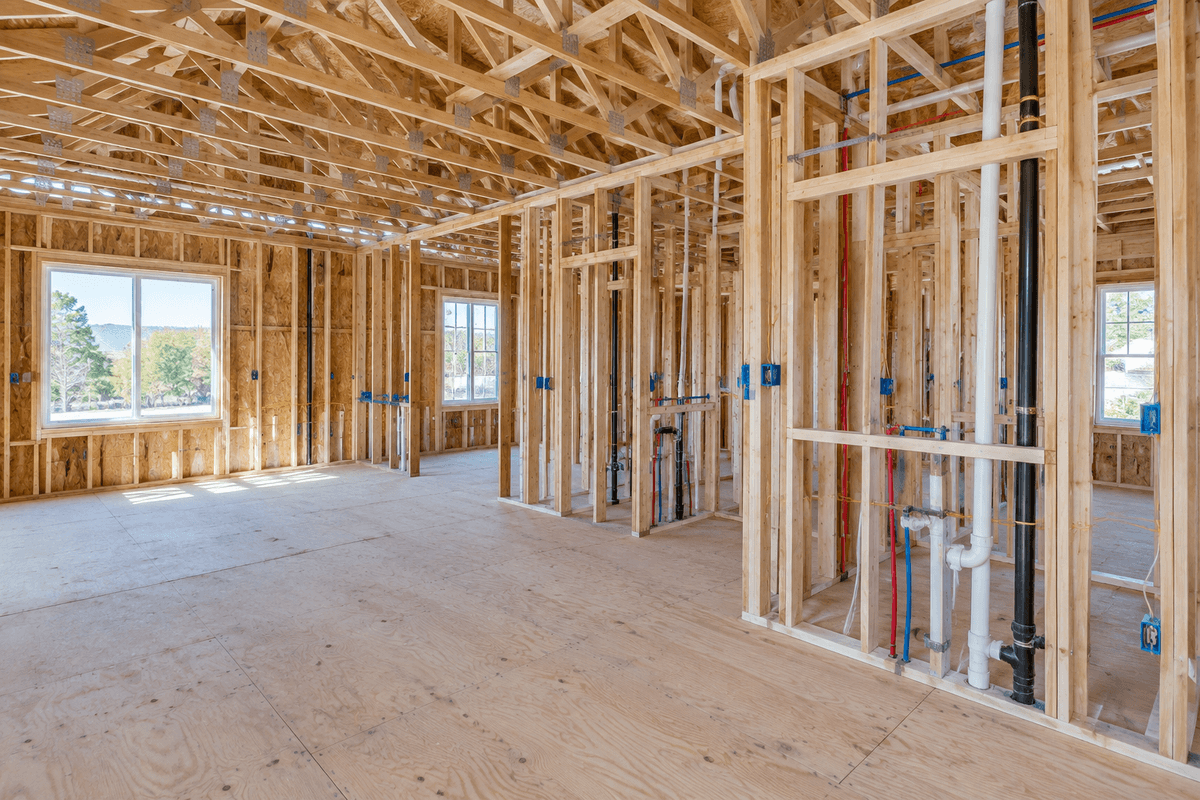
- Third-party inspection access, ideally at pre-drywall before the walls close, and again before closing.
- A written selection sheet and specification list attached to the contract as an exhibit.
- The warranty document itself — what is covered, for how long, and who you call in year three.
- An itemised incentive sheet showing each credit, its value, and its expiration date.
- Your own representation, registered from the very first visit.
Bring Representation to the First Appointment
The sales counselor works for the builder, not for you. In most builder transactions the builder pays the buyer’s agent, so having someone on your side usually does not change what you pay — it changes who runs the numbers and who asks for the credit in writing.
One practical warning: most builders will not add an agent after the first visit. Register yours when you walk in. If you are still weighing whether you need one at all, here is an honest look at the pros and cons of using a realtor for new construction.
Before Your Next Builder Appointment
Walk in with questions, not hope. Start with the questions to ask before you choose a builder, then the questions to ask before you sign anything. And before you assume the base price is the real price, read up on the hidden costs of buying around Fort Hood.
Compare builder inventory against resale before you decide
A standing home with existing finishes can be the stronger deal. Pull up live listings from Amanda’s MLS search and see what your money buys either way.
Killeen Harker Heights Copperas Cove
Looking somewhere else? See all cities and ZIP codes, or call Amanda at (254) 262-6360.
Before you sign at the builder’s table
Send Amanda the community name, the floor plan, and the incentive sheet you were handed. She will pull the comps, run the tax and MUD picture, and tell you where the offer is actually thin — while you still have room to negotiate.