What VA Appraisers Actually Look For (and What Fails an Appraisal)
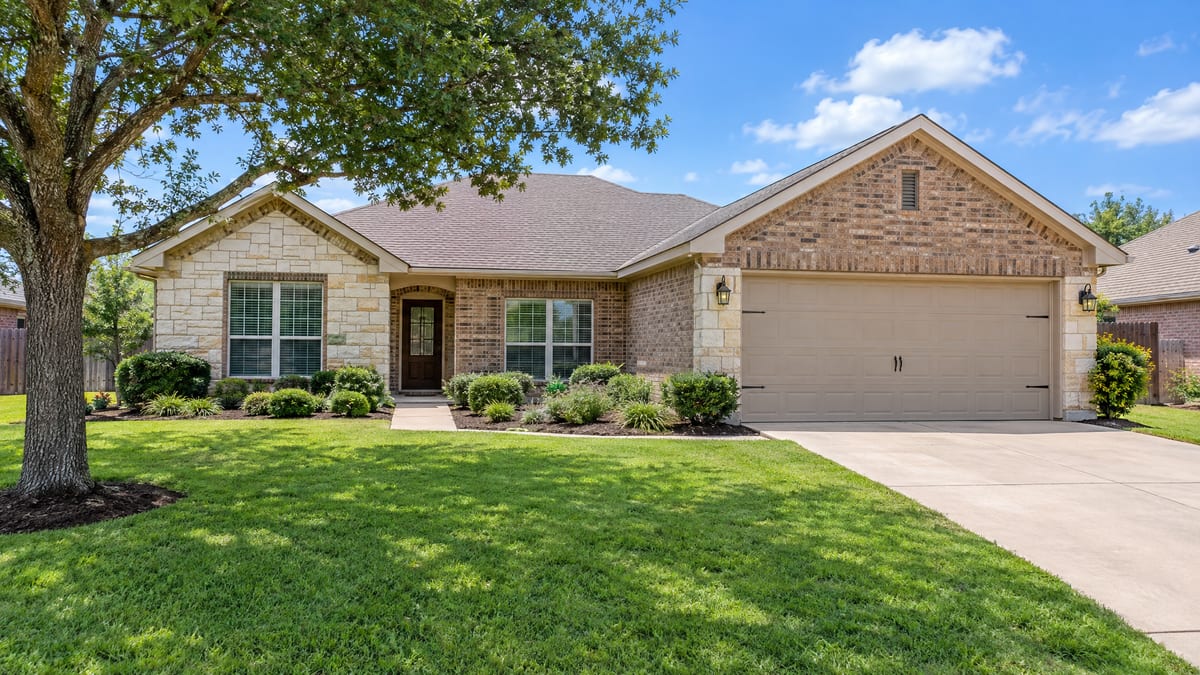
When you buy near Fort Hood with a VA loan, the appraiser your lender sends is checking two separate things at once: what the house is worth, and whether it meets the VA’s Minimum Property Requirements — a “safe, sound and sanitary” standard the loan cannot close without. The value gets all the attention, but in this market it is usually the condition side that delays a deal. Here is exactly what a VA appraiser looks for, the issues that most often come back as required repairs, and how to handle them before they cost you the house.
The VA Appraisal Does Two Jobs, Not One
Every VA-backed purchase requires an appraisal completed by an appraiser on the VA’s approved panel. Unlike a conventional appraisal, this one has a dual purpose:
- It sets the value. The appraiser forms an opinion of market value and issues a Notice of Value (NOV), which caps what the VA will back. That number is what your lender will lend against.
- It checks the condition. The same visit tests the home against the VA’s Minimum Property Requirements (MPRs). If the home fails an MPR, the appraisal can come back “subject to repair” — meaning someone has to fix it before closing.
Both jobs matter, but the condition check is the VA-specific one. A conventional loan can close on a house with a worn roof or a wobbly handrail. A VA loan generally cannot.
What “Safe, Sound and Sanitary” Actually Means
The MPR list is longer than most buyers expect. In plain terms, the appraiser is confirming the home is habitable and not a hazard. The recurring items include:
- Working electricity, heating and cooling systems.
- A roof with remaining useful life — not one that is at the end of it.
- A clean, continuous water supply and working sanitary facilities.
- Safe and sanitary sewage disposal.
- No lead-based paint hazards.
- No wood-destroying insects, fungus or dry rot.
- Safe, year-round access from a public or private all-weather road.
- Attics and crawl spaces that are accessible and properly vented.
- Surface and waste water that drains away from the house without ponding.
- No encroachments, and compliance with local zoning.
Read that list again and notice what is not on it: taste, style or age. A dated kitchen does not fail a VA appraisal. A cracked foundation might.
What Actually Fails a VA Appraisal
Most VA issues fall into a handful of buckets. If you are buying in the Killeen area, you will recognize the first one immediately.
Foundation and soil movement
Central Texas sits on expansive clay soil that swells when it is wet and shrinks when it dries. That seasonal movement is why foundation concerns show up on so many local appraisals. The appraiser is looking for things like significant cracks, uneven floors, doors that no longer close cleanly, or other signs of settlement. When the appraiser finds them, the appraisal can be made subject to repair by a licensed contractor. This is the single most common reason a local VA deal gets a repair punch list, so it is worth reading up ahead of time on foundation repair in Central Texas.
Roof, attic and wood-destroying insects
The roof has to have remaining useful life, not just be watertight today. If the shingles are curling, missing or near the end of their span, plan on it coming up. The appraiser also notes signs of active termites, dry rot or fungus, and may require a pest inspection to clear them. Attics and crawl spaces need to be accessible and vented, which matters in a region where heat and humidity do a number on a closed-up structure.
Peeling paint on pre-1978 homes
For homes built before 1978, deteriorated paint is treated as a potential lead-based paint hazard. Peeling or chipping paint on the exterior or on interior surfaces the appraiser can see is a classic “subject to repair” item. This is not about cosmetics — it is a health-and-safety requirement specific to the VA checklist.
Safety hazards the appraiser has to flag
The appraiser is not a home inspector, but certain obvious hazards stop a VA loan cold. Missing or broken handrails on steps, exposed or unsafe wiring, broken windows, trip hazards, a water heater without the required safety valve or strapping, and non-working HVAC are all common triggers. Individually small, they add up to a repair list.
Water, drainage and access
Water needs to flow away from the house rather than pool against it, and the property has to be reachable year-round from an all-weather road. A property on a dirt track that washes out, or one where the yard ponds against the foundation, can fail on those grounds alone.
What a VA Appraiser Does NOT Look For
Two myths are worth clearing up. First, the VA appraisal is not a home inspection. It is a lighter-touch, lender-driven valuation with a condition checklist — it will not catch every problem a trained inspector would. Get your own inspection anyway; it is the best money you will spend on the purchase. Second, cosmetic condition is not the point. Worn carpet, an old kitchen, dated fixtures or a paint color you would change: none of those fail an MPR. The standard is safety and soundness, not resale polish.
If the Appraisal Comes in Low: the Tidewater Process
The VA has a specific tool for the low-appraisal scenario that conventional loans do not: Tidewater. If the appraiser believes the value will land below the contract price, they flag it to the lender before finalizing the report, without disclosing a number yet. The lender then has a short window — two business days — to send additional comparable sales or market data that support the purchase price. Your agent is the one who gathers those comps.
If the value still lands low, the appraisal stands, and a reconsideration of value may be possible with new evidence. Otherwise you are left with the usual choices: renegotiate the price with the seller, bring the difference in cash, or exercise your contractual options and walk. In a market where a large share of buyers are using VA loans, this is normal, not a disaster — it just has to be managed.
Who Pays, and How Long It Takes
The VA sets maximum appraisal fees by county; they are not negotiated with the appraiser, and the veteran typically pays the fee up front as part of the loan costs. Your lender can tell you the exact amount for the county you are buying in. On timing, a VA appraisal usually turns around in a couple of weeks, though it varies with appraiser availability — one more reason not to cut your contract dates too tight.
How to Get Ahead of It Near Fort Hood
Whether you are the buyer or the seller, the goal is the same: find the problems before the appraiser does, not after.
- Buyers: still get a full home inspection inside your option period. Use it to ask for repairs before the VA appraisal ever happens. If you are buying new construction, think about the VA angle early — there is a whole set of differences worth understanding in buying a home with a VA loan in Texas.
- Sellers: handle the obvious safety items before you list — handrails, peeling paint, exposed wiring, a tired roof. You cannot fix the appraised value, but you can clear the condition list. The seller-side view of this process is covered in what sellers need to know about VA appraisals.
One more thing worth knowing before you budget: the VA loan program’s rules and costs changed in ways that matter this year. If you have not looked recently, the plain-English rundown of VA loan updates for 2026 covers what is different.
Talk Through Your VA Purchase Before You Offer
An appraisal surprise is far cheaper to prevent than to untangle at the closing table. Before you write an offer near Fort Hood, it helps to know which local red flags are likely to come up, what your contract allows, and how your timeline should flex if the appraiser asks for a repair. That is exactly the conversation to have with a local agent who runs VA deals every week.
See what your VA loan would buy near Fort Hood
Browse live listings from Amanda’s MLS search and see how far your budget goes in each city before you talk to a lender.
KilleenHarker HeightsCopperas Cove
Looking somewhere else? See all cities and ZIP codes, or call Amanda at (254) 262-6360.
Buying with a VA loan near Fort Hood?
Send Amanda the property address and your pre-approval, and she will flag the local issues most likely to come up on a VA appraisal — before you are under contract and counting days.