Who Pays for the VA Appraisal? The Straight Answer for Fort Hood Buyers
If you are buying a home near Fort Hood with a VA loan, here is the short answer to the question everybody asks: you, the buyer, usually pay for the VA appraisal — but you might not be the one who ultimately covers it. The appraisal is an allowable closing cost, and like other closing costs it can be shifted to the seller as part of the negotiation. What throws people off is that the VA itself never writes a check for the appraisal. So let us walk through who actually pays, what the fee covers, roughly what it costs, and the situations where the seller picks it up instead.
The Short Answer: The Buyer Usually Pays
On the overwhelming majority of VA purchases, the veteran buyer pays the appraisal fee. In practice that means one of two things:
- Collected up front. Most lenders collect the fee when the appraisal is ordered, often before anyone sets foot in the house.
- Collected at closing. Some lenders roll it into the closing costs and you pay it at the closing table.
Either way it lands on your Closing Disclosure. If you are budgeting cash-to-close, ask your loan officer which one your lender does, because an up-front collection changes how much money you need on hand in week one.
Why the VA Appraisal Is Not Free
A lot of buyers arrive assuming the VA covers the appraisal. It does not. The VA guarantees part of your loan; it does not pay your closing costs. What the VA actually does is set the rules: it maintains the panel of approved appraisers and publishes a maximum allowable fee for your state and property type. That cap exists to protect you — an appraiser on the VA panel cannot charge a veteran more than the posted fee for that assignment.
How Much Is a VA Appraisal?
The exact number depends on your state and the type of property, and your lender can give you the figure for the county you are buying in. What is worth knowing is what can and cannot be added on top, because this is where surprise charges show up:
- Rush or priority fees are negotiated between the appraiser and the lender — and by VA rule they cannot be charged to the veteran.
- Mileage fees are only allowed when the property sits outside the appraiser’s assigned coverage area, and only with the VA’s approval before the appointment. That matters on rural land around Coryell and Bell counties.
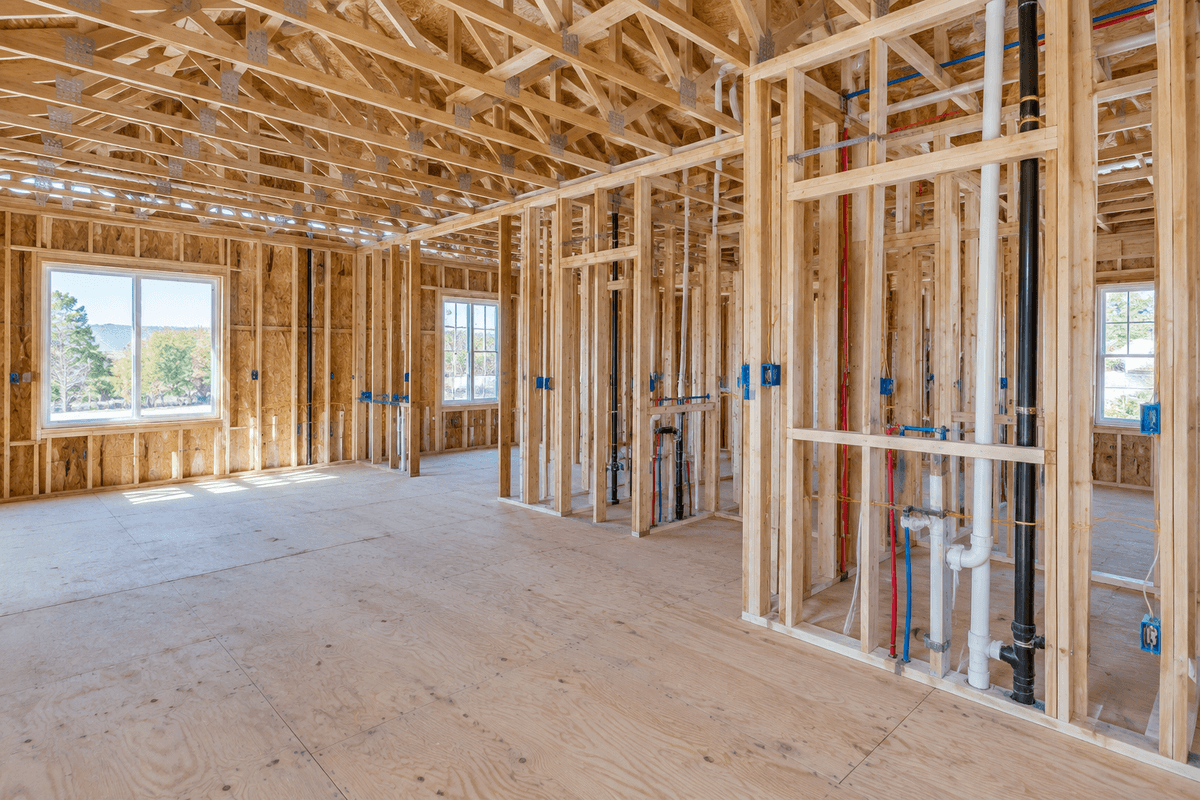
- New construction can add a modest fee above the published amount for a proposed or under-construction home, because the appraiser has to work from plans.
- Re-inspection fees apply when the appraiser has to physically return — for example, to confirm a repair was completed. If you clear the repair punch list in one trip, you pay once.
Those add-ons are the reason the quoted fee and the final fee sometimes differ. Ask your lender to spell out the full fee schedule before you order the appraisal.
Can the Seller Pay the VA Appraisal Instead?
Yes. The appraisal is an allowable closing cost that either the buyer or the seller can pay. If the seller agrees to cover it, the agreement is written into the purchase contract and it shows up on the Closing Disclosure. This is not a loophole — it is a normal part of negotiating a deal.
It comes up most often in a few situations: a slower market where sellers are competing for buyers, a home that has sat on the market, or a purchase where the buyer is asking for several seller concessions at once and the appraisal is one line item in that package. The nice part is that it costs the seller the same dollars as any other concession, so it can be easier to win than a straight price cut.
Two limits to keep in mind. First, seller concessions have to stay within your loan program’s allowed limits, and your lender has to approve how they are applied. Second, do not assume the seller will pay it — it is a negotiation, not a right. Your agent is the one who builds it into the offer or works it in during the option period.
When the Buyer Doesn’t End Up Paying It
There are a few ways the fee gets covered by someone other than the veteran’s own pocket, and they are worth knowing before you sign:
- A lender promotion. Some lenders advertise a no-cost or discounted appraisal. That is the lender absorbing or crediting the fee — the VA is still not paying it.
- A lender credit toward closing costs large enough to absorb it. Treat a lender credit as a trade-off rather than a gift and ask what it does to your interest rate.
- Seller concessions, as above.
None of these change the underlying rule: on paper, the buyer is responsible unless someone else agrees to take it on.
What You Are Actually Paying For
The fee buys two things at once: an opinion of market value (the Notice of Value, which caps what the VA will back) and a condition check against the VA’s Minimum Property Requirements. The condition side is the VA-specific one, and it is the side that most often delays a local deal. If you want to understand what the appraiser is looking at before the report lands, it is worth reading what a VA appraiser looks for.
Who Actually Gets Paid, and What If the Value Comes In Low
The appraiser is paid by the lender that ordered the assignment, even if the loan later moves to another servicer — so you are not left chasing the appraiser directly. The fee you pay is simply part of your loan costs.
If the appraisal comes in below the contract price, the VA has a specific process that gives your agent a short window to send additional comparable sales before the report is finalized. If the value still lands low, your options are the familiar ones: renegotiate the price, bring the difference in cash, or exercise your contractual options and walk. One more practical note: a VA appraisal covers one property. If you move on to a different house, expect a new appraisal and a new fee.
What This Looks Like on a Fort Hood Purchase
Because the VA sets its fee schedule at the state level, the appraisal cost does not swing wildly from Killeen to Copperas Cove to Belton — the differences come from property type, not the town. Two local habits make the process smoother. First, ask your lender for the exact fee and whether it is collected up front, so your cash-to-close math is honest from day one. Second, do not squeeze your appraisal date too tight in the contract. Turnaround usually runs a couple of weeks, and that window is your buffer if the appraiser asks for a repair.
And remember the appraisal is only one piece of the VA cost picture. It sits alongside the funding fee, which is a separate and often larger number. If you have not looked at how that works recently, our plain-English guide to the VA funding fee walks through who pays it and who is exempt. For the bigger picture of how the loan itself comes together, start with buying a home with a VA loan in Texas.
The Bottom Line
If you are the buyer, plan on paying for the appraisal — that is the default. If you are negotiating, know that the seller can legally pick it up as a concession, and in a softer market it is often there for the asking. The VA caps how much the appraiser can charge you, and it forbids passing rush fees to the veteran, so the number is more predictable than most closing costs. Get the exact figure from your lender, then budget it like any other part of cash-to-close. And if you are the seller weighing a VA buyer’s offer, the condition checklist is the part you can actually prepare for, which is exactly what our sellers’ guide to VA appraisals covers.
See what your VA loan would buy near Fort Hood
Browse live listings from Amanda’s MLS search and see how far your budget goes in each city before you talk to a lender.
KilleenHarker HeightsCopperas Cove
Looking somewhere else? See all cities and ZIP codes, or call Amanda at (254) 262-6360.
Buying or selling with a VA loan near Fort Hood?
Whether you are the buyer writing the offer or the seller weighing one, Amanda can tell you exactly how the appraisal fee is handled in your contract — and where there is room to negotiate. Send her the address or your pre-approval and she will walk you through it.